

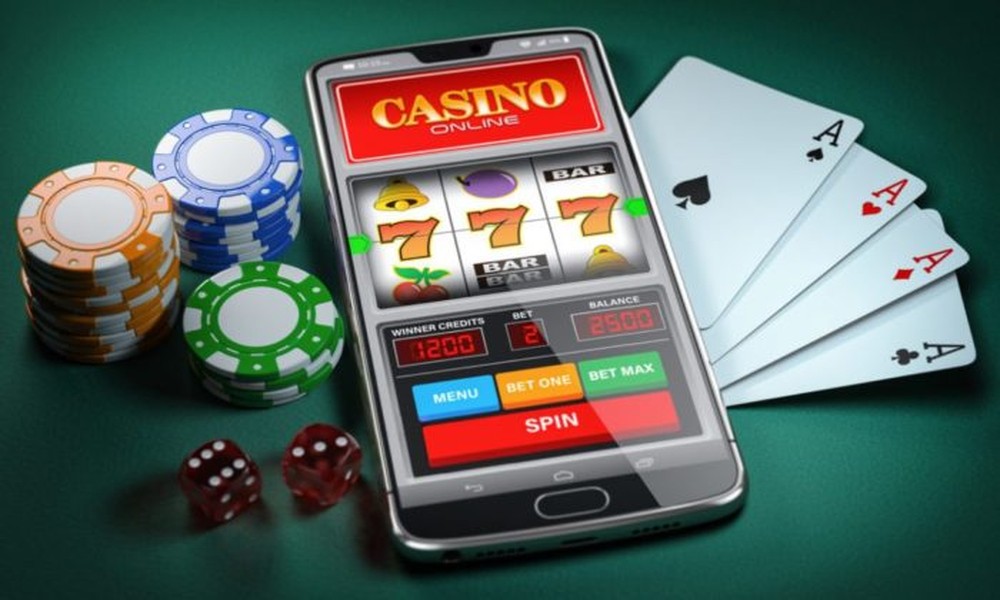
Table design elements either support sustained player focus or create distractions undermining concentration during gameplay. Visual complexity, information density, colour schemes, and layout organisation all impact cognitive load and attention management. Sustained focus correlates with player satisfaction and session duration, as comfortably engaged players stay longer. บาคาร่า table designs prioritising visual clarity, information hierarchy, and distraction minimisation enable players to maintain concentration throughout extended sessions without mental fatigue from fighting poorly organised interfaces.
Colour psychology applications
Calm neutral backgrounds reduce visual stimulation, allowing focus to be directed toward dynamic gameplay elements. High-contrast accent colours for critical information like betting buttons draw attention exactly where needed. Red and green highlights for outcomes leverage universal colour associations, improving instant comprehension. Excessive bright colours or clashing combinations create visual noise, tiring eyes, and fragmenting attention. Subtle colour coding of different interface zones helps mental compartmentalisation of information types. Dark mode options reduce screen brightness and eye strain during extended nighttime sessions.
Visual hierarchy establishment
- The largest elements showing current hand progress naturally draw primary attention and focus
- Secondary information, like balance and history, occupies smaller, consistent peripheral zones
- Betting controls are sized prominently during betting windows and diminished during dealing
- Inactive elements are greyed out or faded, reducing attention pull from irrelevant options
- Progressive disclosure, showing advanced features only when accessed, keeps the core interface simple
Animation and movement control
Purposeful animations drawing attention to important state changes, like results, enhance focus direction. Excessive gratuitous animations distract from gameplay, creating visual chaos. Smooth transitions between game states maintain flow versus abrupt, jarring changes that break concentration. Background movement in dealer feeds is kept minimal, so player focus stays on cards and actions. Optional animation reduction settings help players who are sensitive to motion or prefer minimalist presentations.
Information density management
Cluttered interfaces packed with indicators, stats, and controls overwhelm cognitive processing capacity. Streamlined designs showing only essential information reduce mental load, enabling focus on decisions. Progressive disclosure reveals detailed statistics or settings only when explicitly requested. Mobile designs necessarily minimise information density due to screen constraints, often improving focus. Dense information presentations suit analytical players, while simplified versions better serve casual, focused players.
Distraction elimination
- Removal of advertising or promotional content from active play screens prevents attention fragmentation
- Chat features are hidden or minimised by default, reducing social distraction from gameplay
- Auto-mute dealer audio option allows music or quiet focus, depending on preference
- Notification suppression during active hands prevents interruptions from alerts
- Clean, uncluttered table surfaces in dealer feeds reduce background visual noise
Focal point design
Camera framing, emphasising card dealing zones, naturally directs eyes to the most important areas. Lighting highlighting the table centre where the action occurs draws attention appropriately. Dealer positioning and movements are choreographed to support rather than distract from card reveals. Strategic use of depth of field blurring backgrounds, keeping sharp focus on relevant elements. Multiple camera angles automatically switch to optimal views for each hand phase.
Customization options
Adjustable information displays let players show or hide elements based on personal preferences. Layout variations accommodate different play styles from minimalist to information-rich presentations. Colour scheme options match accessibility needs or aesthetic preferences. Size adjustments for critical elements help players with vision considerations. Saved preference profiles enable consistent personalised experiences across different devices and sessions.
Table design profoundly affects player cognitive load and attention management, with thoughtful designs supporting sustained comfortable focus, while poor implementations create friction and fatigue, reducing session quality and duration.
