

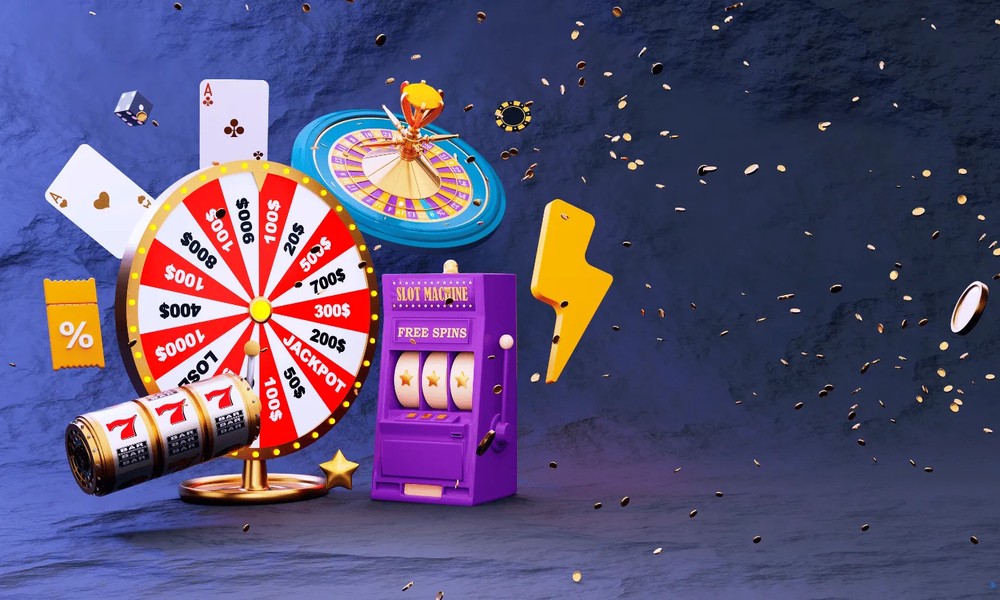
Visual style selection matches game genres, target demographics, thematic requirements, and mechanical complexity, creating cohesive aesthetic presentations. Style appropriateness depends on genre conventions, where adventure themes benefit from illustrative artwork while classic games employ traditional iconography. MrWira8 visual design choices reflect intended audiences, where youthful demographics prefer vibrant contemporary styles while mature players gravitate toward sophisticated presentations. Style-genre relationships reveals why specific visual approaches dominate certain game categories. Effective style matching enhances thematic coherence, where artistic direction reinforces gameplay concepts rather than creating disconnect through mismatched aesthetics.
Photorealistic rendering suitability
- Adventure-themed games benefit from photorealistic environments, creating believable exploration settings through detailed textures and natural lighting
- Historical period games employ realistic character models and authentic architectural renderings, establishing temporal authenticity
- Nature-themed implementations showcase realistic landscapes, wildlife representations, and environmental details supporting immersive natural settings
- Luxury-oriented games utilise photorealistic gem rendering, metallic textures, and premium material representations, communicating value
- Cinematic narrative games leverage realistic visual fidelity, creating movie-quality presentations supporting storytelling ambitions
Cartoon illustration appeal
Character designs show personality through expressive faces, dynamic poses, and small humorous details, which help players form emotional bonds with mascots or heroes that return across a game series. Bright colours define cartoon styles, where strong shades and clear contrast create a happy and energetic feeling, and simple shapes reduce visual pressure and help players understand symbols and interfaces quickly without heavy detail. Animation uses squash and stretch with clear anticipation and bold movement to add life and humour, and this turns simple mechanical actions into entertaining character-like performances.
Minimalist design applications
- Clean geometric shapes eliminate unnecessary decoration, focusing attention on essential gameplay elements, supporting clarity-focused experiences
- Limited colour palettes create sophisticated, understated aesthetics appealing to design-conscious demographics valuing refinement
- Generous whitespace provides breathing room, preventing visual overwhelm during extended sessions, maintaining comfortable viewing
- Typography prominence elevates text elements as primary visual features rather than supplementary additions
- Modern flat design principles communicate contemporary sensibilities, attracting style-aware audiences appreciating current design trends
Retro pixel aesthetics
Deliberately low-resolution graphics employing limited colour palettes and chunky pixel formations tap nostalgic connections for players experiencing early gaming eras. Pixel art styles communicate authenticity and indie credibility, distinguishing implementations from mainstream productions. This aesthetic choice signals artistic intention rather than technical limitation as modern pixel art demonstrates sophisticated design understanding through careful colour selection, animation timing, and compositional balance.
Nostalgia-driven appeal extends beyond visual presentation, encompassing cultural associations with specific gaming periods. Players remembering arcade experiences, early console generations, or classic computer games feel emotional connections when encountering familiar visual languages. Retro aesthetics also attract younger demographics appreciating vintage aesthetics through cultural osmosis, despite lacking direct historical experience, creating cross-generational appeal through timeless design principles.
Abstract artistic expression
Non-representational designs with geometric patterns and colour fields, and experimental visuals, attract people who value artistic innovation over direct representation. Abstract styles focus on mood and rhythm and visual feeling, and they serve design lovers, art viewers, and players who want new visual experiences not found in common representational work. Visual style choice depends on genre rules, target groups, and theme needs. Photorealistic looks fit adventure games, while cartoon looks feel friendly, and a minimalist design gives clear elegance, pixel style brings nostalgia, and abstract work suits experimental audiences.
